Key Aspects of the Kenya Real Estate Market (H2 2025)
📊 1. Market Stabilisation and Growth
- Kenya’s real estate sector ended 2025 with stabilising economic fundamentals, including reduced interest rates, a steadier shilling and inflation within target. These helped underpin investor confidence and property demand.
🛠️ 2. Shift From Speculation to Quality & Completion
- Developers are prioritising completion of existing projects over launching new ones, reflecting a cautious environment. There’s a clear shift toward quality execution and delivering developed stock.
- Building approvals have fallen, consistent with a more conservative development stance.
🏙️ 3. Office Sector: Flight to Quality
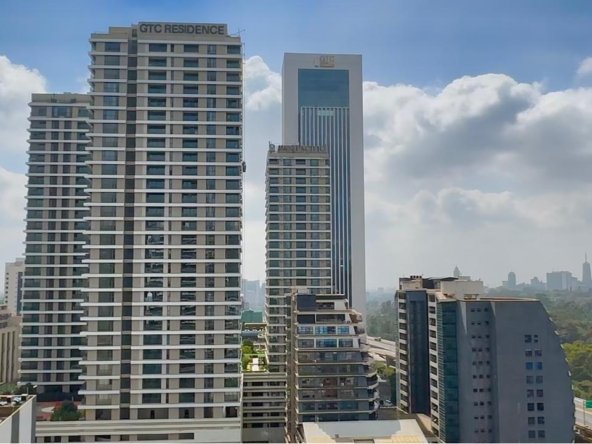
- Prime office occupancy improved to above 81% in late 2025 as tenants prefer modern, Grade A space with quality amenities as in the case of Purple Towers on Mombasa Road and The Cube on Riverside Drive.
- Flexible workspaces continue to expand, though some operators are consolidating to focus on performance.
🏡 4. Residential Demand Trends
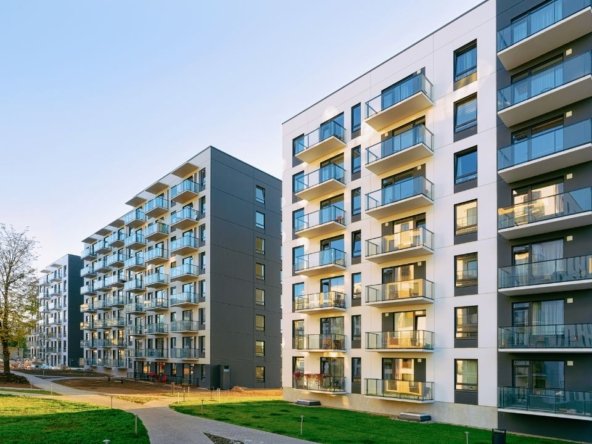
- Residential price and rent growth are moderating, with prime residential prices up around 6% in 2025. Demand trends favour integrated, amenity-rich communities and master-planned developments.
🛍️ 5. Retail Sector Resilience
- Retail real estate is performing well at the neighbourhood/community level, driven by strong daily-use retail and convenience formats rather than large regional malls.
🏨 6. Hospitality and Tourism Gains
- Tourism-linked real estate posted strong occupancy, partly due to a rise in international arrivals and new high-end hotel openings.
🏭 7. Growth in Industrial and Alternative Assets
- Industrial real estate and data centres are emerging as growth segments. Special Economic Zones (SEZs) are attracting foreign direct investment, supporting logistics and manufacturing uses.
🧠 8. Infrastructure Investment’s Role
- Ongoing infrastructure projects — including major highways and public-private partnerships — are improving connectivity and supporting property development along key corridors. Some of these critical infrastructure include: JKIA-Waiyaki highway upgrade, Nairobi – Nakuru – Mau Summit road, Valley Road- Ngong Road- Upperhill Viaduct , Talanta Stadium on Ngong road
📌 Current Industry Scope (Late 2025)
📈 Overall Performance
- The sector showed cautious but positive momentum, backed by improved macroeconomic conditions.
- Growth in the office, residential, and hospitality segments is being driven by demand in key nodes such as Nairobi, Westlands, Upper Hill, and mixed-use developments.
🏢 Office Market Dynamics
- Tenant demand is strongest for high-quality, well-located offices with modern features. Secondary stock continues to face vacancy pressure.
🏘️ Residential Market
- Buyer preferences lean toward integrated living, security, and lifestyle features.
- Demand continues from high-net-worth individuals, expatriates, and diaspora buyers.
🛠️ Construction & Approvals
- Residential building approvals declined, highlighting a slowdown in new project starts and a focus on absorption of current stock.
📅 2026 Market Outlook
⚠️ 1. Cautious Investor Sentiment
- 2026 is expected to be a year marked by discipline and strategic positioning, not aggressive growth. Many investors are adopting a “wait-and-see” approach due to the 2027 general elections and broader economic factors.
🏗️ 2. Focus on Quality Asset Classes
- Growth is likely to concentrate in:
- Affordable housing
- Prime office spaces
- SEZ and industrial real estate
- Completed income-producing assets
rather than speculative or unproven projects.
📦 3. Continued Office Recovery
- Office occupancy is expected to keep rising, with moderate upward pressure on rents for high-quality space.
🏡 4. Residential Demand Stability
- Residential demand should remain stable, especially for master-planned developments and lifestyle communities, though price growth may be moderate.
🛍️ 5. Retail and Mixed-Use
- Retail performance will likely remain supported by neighbourhood-centric formats and mixed-use projects that combine living, shopping, and leisure.
🧠 6. Alternative and Tech-Driven Assets
- Data infrastructure (e.g., data centres) and other alternative real estate categories may attract continued interest as digital economies expand.
🧠 Takeaways for You as an Investor or Homebuyer
Investors should prioritise assets with strong cash flows (prime offices, SEZ industrial, completed income-producing residential) and avoid speculative developments without solid demand fundamentals.
Homebuyers can expect more balanced pricing growth, particularly in lifestyle and integrated townships, and should factor in macroeconomic and political cycles into timing decisions.
Developers will need to align offerings with real demand drivers — infrastructure access, quality finishes, and clear use cases — rather than growth for growth’s sake.
To invest in REAL ESTATE in Nairobi, Reach out for investment advisory from AZIPA REAL ESTATE
Call/Whatsapp 0742880335 or 0796007755
Email: azipahomes@gmail.com
Check Website for Properties: www.aziparealestate.co.ke
Reference: Knight Frank Kenya Market Update H2 2025